

Choosing the right toilet cistern is one of the most practical decisions you will make during a bathroom renovation or new build. Most homeowners focus on tiles, vanities, and lighting — yet the cistern quietly controls your daily water usage, flush performance, and long-term maintenance costs.
A poorly chosen bathroom cistern wastes thousands of litres of water every year. A well-chosen one can cut toilet water use by up to 67%, according to WaterWise UK data comparing single-flush and dual flush toilet systems. Whether you are fitting a compact en-suite or redesigning a family bathroom, understanding cistern types before you buy saves money, space, and future headaches.
This guide walks you through every factor that matters — from flush mechanisms and mounting styles to water efficiency ratings and installation requirements.
Types of Toilet Cisterns: Know Your Options
Before making a purchase, you need to understand the main cistern types available on the market today.
1. Close Coupled Toilet Cistern
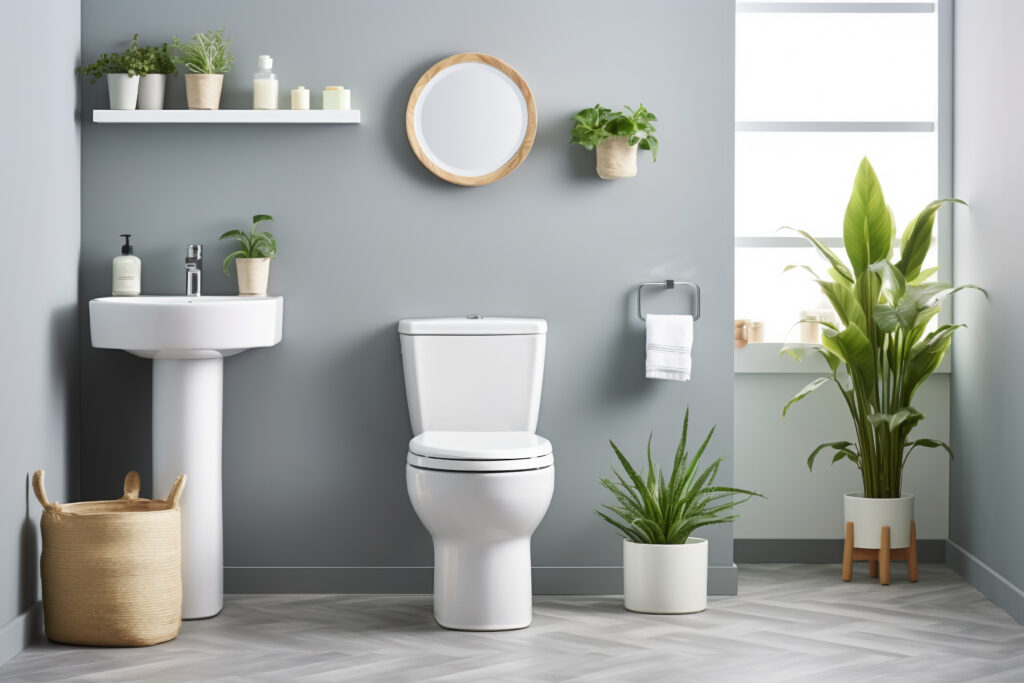
The close coupled toilet cistern is the most common configuration in Indian and UK homes. The cistern sits directly on top of the toilet pan, bolted together as a single unit.
Benefits:
- Easy to install and service
- Wide range of styles from budget to premium
- Spare parts are readily available
- Ideal for standard-sized bathrooms
Drawbacks:
- Takes up more vertical wall space
- Can look bulky in small bathrooms
Best for: Family bathrooms, rental properties, straightforward retrofits.
2. Concealed Cistern (In-Wall Cistern)
A concealed cistern is fitted inside the wall cavity behind a false wall or inside a specially designed frame. Only the flush plate is visible on the finished surface.
Benefits:
- Clean, minimalist aesthetic — ideal for modern bathroom design
- Frees up floor space and reduces visible pipework
- Significantly easier to clean around the toilet area
- Compatible with wall mounted toilet configurations
Drawbacks:
- Higher installation cost (requires a frame system like Geberit or Grohe)
- Accessing the mechanism for repairs is more involved
- Not suitable for all wall types — solid brick walls require a false wall frame
Best for: Contemporary homes, small bathrooms where space saving is essential, design-led renovations.
Expert Tip: If you are building a new bathroom or doing a full strip-out renovation, a concealed cistern with a wall hung toilet is almost always the better long-term investment. The floor clearance alone makes the space feel significantly larger.
3. Low-Level and High-Level Cisterns
These are traditional cistern styles, often found in period properties.
- High-level cistern: Mounted high on the wall with a pull-chain flush. Strong gravity-assisted flush. Still specified in heritage restorations.
- Low-level cistern: Positioned just above the pan with a short flush pipe. A mid-point between traditional and modern.
Both remain valid choices for specific architectural contexts but are rarely specified in new builds or modern bathroom refits.
4. Back-to-Wall Toilet Cistern
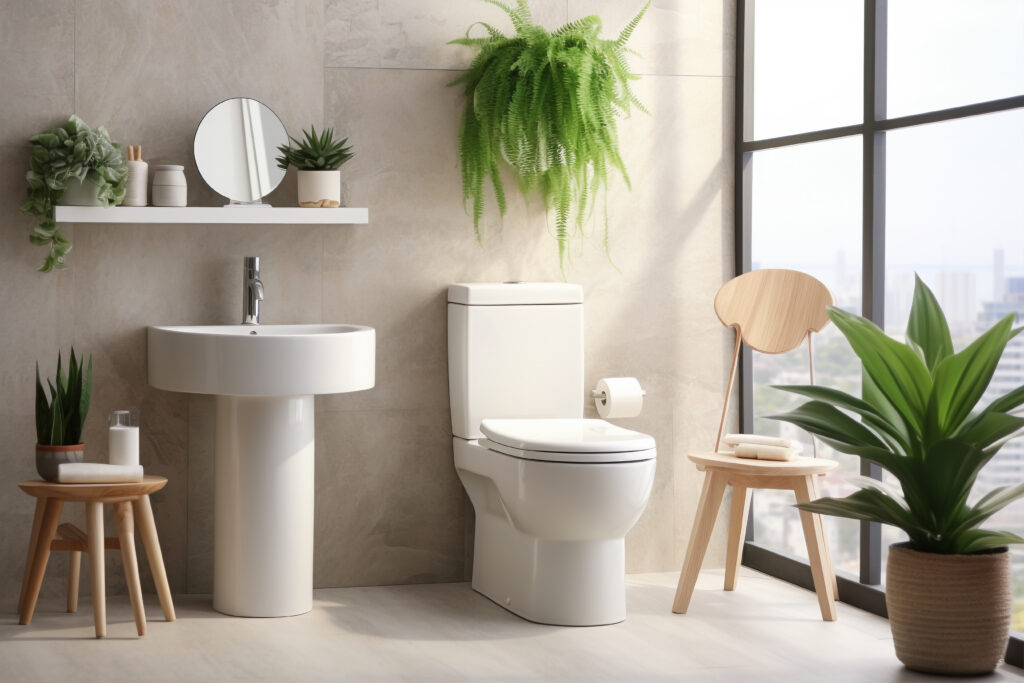
The back-to-wall toilet has the cistern concealed within a furniture unit or boxed-in enclosure at floor level, while the pan projects outward from the wall. It offers a cleaner look than close-coupled designs without the full commitment of an in-wall installation.
Best for: Semi-modern bathrooms, homeowners who want a tidier finish without major structural work.
Concealed vs Exposed Cistern: Which Is Better?
This is the most common question asked during bathroom planning, and the answer depends on three factors: your budget, your bathroom size, and your renovation scope.
| Factor | Concealed Cistern | Exposed (Close Coupled) |
|---|---|---|
| Aesthetics | Superior — flush plate only visible | Traditional look |
| Installation Cost | Higher (£300–£700+ fitted) | Lower (£150–£400 fitted) |
| Maintenance Access | More involved | Quick and simple |
| Space Saving | Significant | Minimal |
| Lifespan | 10–15 years (quality frames) | 8–12 years |
Verdict: For a small bathroom, a concealed cistern paired with a wall mounted toilet is the clear winner. For ease of maintenance and budget-conscious projects, close coupled remains the industry workhorse.
Key Factors to Consider When Buying a Toilet Cistern
Water Efficiency
In India, the Bureau of Energy Efficiency and IS:2556 standards govern water use in sanitaryware. Globally, a dual flush cistern is the gold standard — offering a 3-litre half flush and a 6-litre full flush, compared to the 9–13 litres consumed by older single-flush systems.
Water-efficient toilets with a dual flush toilet mechanism can save a household of four approximately 20,000 litres per year. When selecting a cistern, always check:
- Full flush volume (aim for 6 litres or less)
- Half flush volume (3 litres or less)
- WELS rating or equivalent local certification
Flush System Performance
The flushing system is the heart of any toilet. The two primary mechanisms are:
- Siphon flush: Traditional UK mechanism; quiet, reliable, less prone to leaking
- Valve flush (drop valve): Common in European and modern systems; stronger flush, easier to service, standard in concealed cisterns
For high-use family bathrooms, a valve flush with a dual-flush toilet setup offers the best balance of performance and water saving.
Cistern Size and Capacity
Standard cistern capacity ranges from 6 to 9 litres. For best flushing system performance without excessive water use, a 6-litre single flush or a 3/6-litre dual flush is optimal for home toilets.
Compact cisterns (4.5 litres) exist for water-restricted environments but may require two flushes for solid waste — negating the saving.
Compatibility with Your Toilet Pan
Not all cisterns are universally compatible. Always verify:
- Pan and cistern brand compatibility (especially important with concealed frames)
- The inlet valve type (side entry vs bottom entry) and your water pressure
- Flush connector dimensions
Mismatched components are one of the most common causes of call-back issues in toilet installation.
Which Cistern Is Best for Indian Bathrooms?
Indian bathrooms present specific requirements worth addressing directly:
- Water pressure fluctuations are common — choose cisterns with pressure-compensating fill valves
- Hard water areas (most of North India) benefit from cisterns with scale-resistant ceramic disc valves
- Space constraints in urban apartments make back-to-wall or concealed cisterns highly relevant
- Hygiene considerations favour smooth, access-free designs that reduce bacterial build-up
Brands like Hindware, Jaquar, Parryware, and Cera produce cisterns designed specifically for Indian water conditions and bathroom fittings standards. For premium installations, Geberit in-wall frames with Indian-market compatible flush plates offer European performance with local serviceability.
Modern Toilet Cistern Designs for Homes
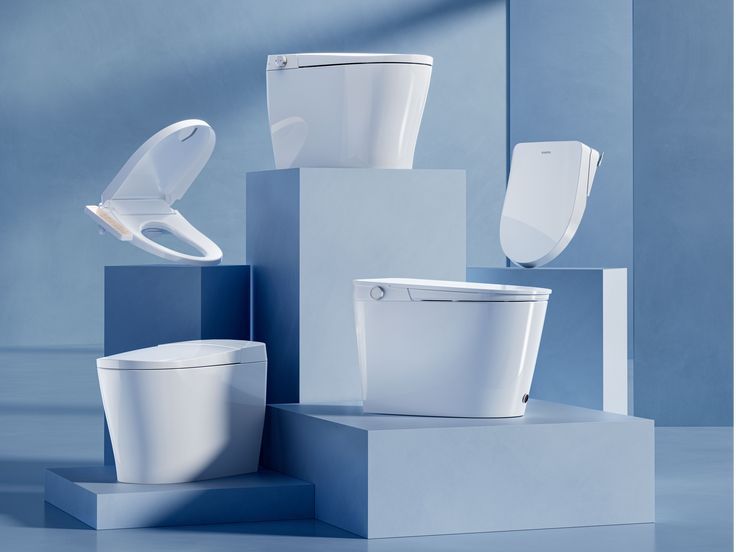
Today’s modern bathroom design has elevated the toilet cistern from a functional box to a considered design element.
Current trends include:
- Frameless flush plates in brushed brass, matte black, and gun metal finishes
- Smart cisterns with integrated fragrance dispensers and automatic flush sensors
- Rimless pan + concealed cistern combinations for maximum hygiene and minimal cleaning effort
- Integrated bidet cisterns — increasingly specified in South and Southeast Asian markets
When selecting for aesthetics, always choose the flush mechanism and frame first, then match the flush plate to your wider bathroom hardware finish (taps, towel rails, accessories).
How to Install a Toilet Cistern: Key Steps
While full toilet installation should be handled by a qualified plumber, understanding the process helps you oversee the work intelligently.
For a close coupled cistern:
- Shut off the water supply at the isolation valve
- Remove the old cistern and disconnect the water feed
- Fit the new cistern to the pan using the manufacturer’s fixings and rubber washers
- Connect the water inlet to the isolation valve
- Adjust the fill valve float to set the correct water level
- Test flush and check all connections for leaks
For a concealed cistern:
- Install the carrier frame to manufacturer specifications (floor-to-wall fixings)
- Rough-in the water supply and waste pipe to frame outlet positions
- Complete wall boarding (tile backer board)
- Fix the wall hung toilet pan to the frame brackets
- Install the flush plate and connect the pneumatic or mechanical actuator
- Commission and test before final tiling
Always use a Gas Safe or equivalent registered plumber for connections to the water supply.
Bathroom Renovation Tips for Toilet Selection
- Plan your cistern type before fixing wall positions — concealed frames must be positioned before first fix pipework
- Buy cistern and pan as a matched set where possible — it simplifies warranty and compatibility
- Invest in the frame, not just the flush plate — a premium Geberit or Viega frame lasts decades; the flush plate can be swapped later
- Consider future maintenance access — in rental properties, a close-coupled toilet is significantly easier to service quickly White bathroom with a toilet and straw details.
Conclusion
Selecting the right toilet cistern is a decision that affects your bathroom’s aesthetics, daily water consumption, and maintenance demands for the next decade or more. Whether you choose a dual flush toilet with a concealed cistern for a sleek modern bathroom, or a reliable close coupled system for a practical family space, the principles remain the same: match the product to your water conditions, your space, and your long-term maintenance capacity.
Prioritise water efficiency, flush performance, and installation quality over price alone. A quality bathroom cistern specified correctly will outperform a cheaper option within the first year of use — and continue doing so for many years after.
FAQ Schema Section
Q1: What is the most water-efficient type of toilet cistern?
A dual flush cistern offering a 3-litre half flush and 6-litre full flush is the most water-efficient option for home use. It can save a four-person household up to 20,000 litres of water annually compared to older 9-litre single-flush systems.
Q2: What is the difference between a concealed cistern and a close coupled cistern?
A concealed cistern is installed inside the wall or a frame, with only the flush plate visible. A close coupled cistern sits on top of the toilet pan as a visible unit. Concealed cisterns offer better aesthetics and space saving; close coupled cisterns are easier to maintain and less expensive to install.
Q3: Can I install a concealed cistern in an existing bathroom?
Yes, but it typically requires building a false wall using a metal frame system. It is most practical during a full bathroom renovation. Retrofitting into an existing finished bathroom is possible but involves more significant work and cost.
Q4: Which toilet cistern is best suited for Indian bathrooms?
For Indian bathrooms, choose a cistern with a pressure-compensating fill valve to handle water pressure fluctuations, and a scale-resistant valve if you are in a hard water area. Brands like Jaquar, Hindware, and Cera offer products designed for Indian water conditions. Concealed cisterns suit compact urban apartments, while close coupled suits ease of maintenance.
Q5: How long does a toilet cistern last?
A quality close coupled cistern typically lasts 8–12 years before internal components need replacing. A premium concealed cistern frame (from brands like Geberit) can last 25+ years, with only the internal valve mechanism requiring periodic servicing. Regular descaling in hard water areas extends the lifespan of any cistern significantly.