

The benefits of PTMT taps for modern bathrooms and kitchens are reshaping how Indian homeowners think about plumbing fittings. Whether you are building a new home, renovating a bathroom, or simply replacing a leaking tap, PTMT (Poly Tetra Methylene Terephthalate) taps have emerged as a strong, practical alternative to conventional metal fittings. Lightweight, corrosion-resistant, and built for everyday use, these taps are no longer a budget compromise — they are an informed upgrade.
This guide covers everything you need to know: what makes PTMT taps worth choosing, how they compare to metal options, and why more households across India are making the switch.
What Are PTMT Taps? A Quick Overview
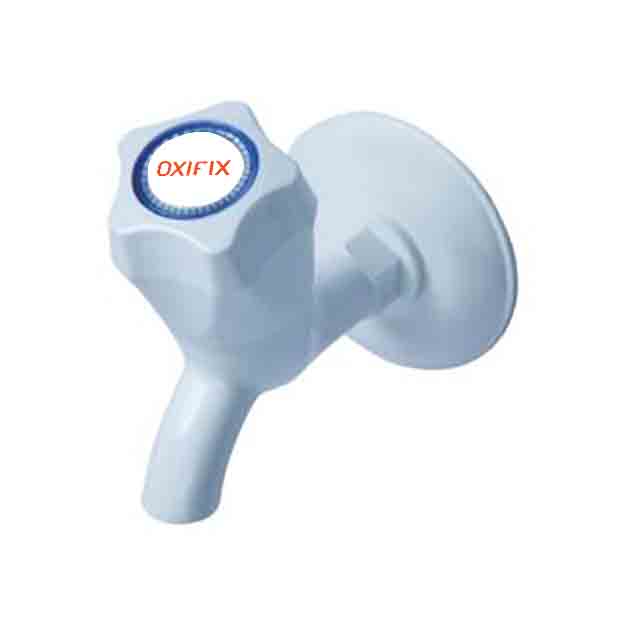
PTMT is an engineering-grade polymer — a reinforced thermoplastic known for its high tensile strength, dimensional stability, and resistance to heat and chemicals. In plumbing applications, PTMT is injection-moulded into tap bodies and bathroom fittings that can withstand daily wear, fluctuating water temperatures, and the humid conditions of Indian bathrooms and kitchens.
Unlike ordinary plastic taps, PTMT bathroom fittings are manufactured to precise tolerances and often carry chrome or brushed finishes that look identical to metal. At first glance, many users cannot tell the difference.
Top Benefits of PTMT Taps for Modern Bathrooms
1. Rust-Free Performance — No Corrosion, Ever
The single most important advantage is this: PTMT taps are inherently rust-free. Metal taps — whether brass, zinc alloy, or chrome-plated iron — are all susceptible to corrosion over time, especially in areas with hard water or high humidity. Once the protective chrome layer chips or wears, oxidation begins quickly.
PTMT water taps contain zero metal in their core body, so there is nothing to corrode. This means:
- No rust stains on your sink or basin
- No metallic taste in water caused by oxidising fittings
- No internal flaking that clogs aerators or flow restrictors
- Long-term aesthetic preservation — the tap looks new for years
For Indian homes — particularly in coastal cities like Chennai, Mumbai, and Kochi where saltwater humidity accelerates corrosion — rust-free PTMT taps for Indian homes are not just convenient, they are a practical necessity.
2. Lightweight Yet Durable
PTMT taps weigh significantly less than their brass or zinc counterparts — often 60–70% lighter. This makes installation easier and puts less stress on the wall fixtures, threaded fittings, and ceramic washbasins they are mounted on.
Despite being lightweight, PTMT as a material has excellent compressive and tensile strength. Well-manufactured PTMT bathroom fittings resist cracking under pressure, handle repeated operation without fatigue, and maintain dimensional accuracy over years of daily use.
3. Water-Saving Design Built for Modern Homes
Most modern PTMT kitchen taps and bathroom models come equipped with aerators — small mesh attachments at the spout that mix air into the water stream. This creates a fuller-feeling flow while using significantly less water per minute.
In practical terms:
- A standard tap flows at 12–15 litres per minute
- An aerator-fitted PTMT tap flows at 6–8 litres per minute
- That is a reduction of 40–50% in water consumption with no perceived loss of pressure
Water-saving PTMT taps for home are particularly relevant in cities where water supply is metered or restricted. Over a year, the savings compound into hundreds of litres per household. Combine this with a good cistern-flush toilet and you have a meaningfully lower water footprint.
4. Long-Lasting — Built to Last 10+ Years
When asked how long PTMT taps last, the honest answer depends on manufacturing quality — but well-made taps from reputable brands routinely last 8 to 12 years under normal residential use.
The reasons for this longevity:
- No galvanic corrosion: Unlike metal taps where dissimilar metals in contact accelerate degradation, PTMT has no such vulnerability.
- Chemical resistance: PTMT is unaffected by common household cleaning chemicals, chlorinated water, or mineral-rich hard water.
- Thermal stability: PTMT handles water temperatures up to 80°C without deforming — adequate for hot water supply lines in most Indian homes.
- Tight seals: The internal components (usually ceramic disc cartridges) in quality PTMT taps maintain their seal integrity longer than rubber washers in traditional taps.
The long-lasting PTMT water taps benefits are most visible in comparison — many homeowners who switch from metal taps report fewer maintenance calls and less frequent replacements.
5. Eco-Friendly Manufacturing and End-of-Life
Eco-friendly PTMT taps for bathrooms hold an environmental edge in two ways.
First, production: manufacturing PTMT requires less energy than smelting and machining brass or zinc. There is no toxic effluent from metal plating processes, which are a known environmental concern in conventional tap manufacturing.
Second, use phase: the water savings described above directly reduce pressure on municipal water systems, which in India are already under significant stress. Less water pumped means less energy consumed in water treatment and distribution.
Third, disposal: PTMT is a thermoplastic, which means it can theoretically be remelted and recycled — unlike chrome-plated brass, which is difficult to separate and recycle cleanly.
PTMT vs Metal Taps: A Straight Comparison
| Feature | PTMT Taps | Metal (Brass/Zinc) Taps |
|---|---|---|
| Rust resistance | Fully rust-free | Prone to corrosion over time |
| Weight | Light (30–60 g) | Heavy (200–500 g) |
| Water savings | Built-in aerators standard | Varies by model |
| Maintenance | Very low | Moderate to high |
| Lifespan | 8–12 years | 5–10 years (varies) |
| Cost | Affordable | Moderate to expensive |
| Eco-footprint | Lower | Higher |
| Aesthetics | Matches metal finishes | Traditional metal look |
The PTMT vs metal taps debate is not one-sided. Brass taps from premium manufacturers remain excellent products. However, for budget-conscious homeowners, rentals, or anyone in a high-humidity environment, PTMT taps deliver better value over time.
Are PTMT Taps Good for Hard Water?
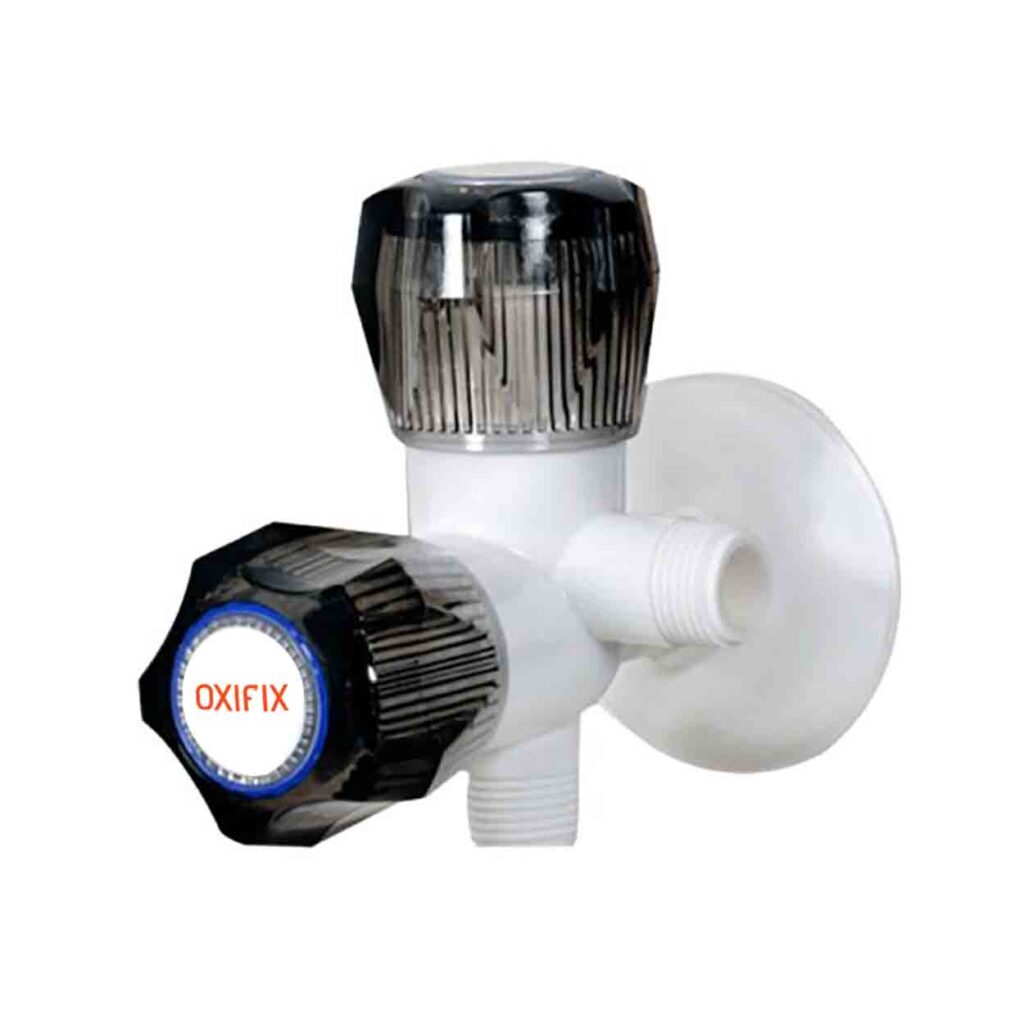
Yes — and this is an important point for much of India. Hard water contains high concentrations of dissolved calcium and magnesium. These minerals cause limescale build-up on metal surfaces, accelerate corrosion inside metal tap bodies, and degrade rubber washers faster.
PTMT is chemically inert to these minerals. Limescale may still form on the external spout of any tap, but it cannot corrode PTMT from within. Internal components remain unaffected, which means hard water does not shorten the working life of a PTMT tap the way it does metal taps.
Practical Buying Guide: What to Look for in PTMT Taps
Not all PTMT taps are equal. Here is what to check before purchasing:
- BIS Certification (IS 8931): Look for the ISI mark, which confirms the tap meets India’s national standard for plumbing fittings.
- Ceramic disc cartridge: Prefer taps with ceramic disc valves over rubber washer mechanisms — they last longer and drip less.
- Chrome plating quality: The finish should be smooth, uniform, and scratch-resistant. Ask about the micron rating — 20 microns or above is a good benchmark.
- Flow rate and aerator: Confirm the tap comes with an aerator if water efficiency matters to you.
- Brand warranty: Reputable brands offer 1–5 year warranties. This is a proxy for their confidence in product quality.
- Thread compatibility: Confirm the inlet thread matches your existing plumbing (15mm or 20mm BSP is standard in India).
Where to Use PTMT Taps in Your Home
PTMT bathroom fittings work well in virtually every fixture point:
- Washbasins: Pillar taps or single-lever mixers for daily handwashing
- Kitchen sinks: PTMT kitchen taps handle cooking-related use well, including hot water
- Utility and service areas: Ideal for back-of-house areas where aesthetics matter less
- Balcony and garden taps: Outdoor exposure makes rust-resistance especially valuable
- Budget rental properties: Low cost + low maintenance = ideal for landlords
One area where metal may still be preferred: mixer showers requiring high-temperature hot water above 70°C at the tap body itself. In such cases, verify the specific PTMT model’s thermal rating before installing.
Expert Recommendation
Interior designer and renovation consultant Priya Menon, who has worked on over 200 residential projects across South India, notes:
“In coastal cities especially, I stopped specifying brass taps for standard washbasin points three years ago. The call-backs for rust staining and leaking washers were adding up. PTMT taps solved that. Clients don’t notice the difference in finish, and the maintenance headaches disappeared.”
This on-the-ground experience mirrors the broader shift seen in the Indian plumbing market, where PTMT bathroom fittings have moved from the economy segment into mid-range residential and hospitality projects.
Conclusion
The benefits of PTMT taps for modern bathrooms and kitchens are clear and practical: they resist rust, save water, last longer than most homeowners expect, cost less to buy and maintain, and carry a lighter environmental footprint than metal alternatives. For Indian homes dealing with hard water, high humidity, or simply the desire for a low-maintenance bathroom, PTMT water taps are a sensible, well-supported choice.
If you are upgrading your bathroom fittings or outfitting a new home, PTMT taps deserve a serious place on your shortlist. Choose a BIS-certified product from a reputable brand, verify the cartridge quality, and you are investing in fittings that will deliver reliable service for a decade or more.
FAQ Schema Section
Q1: What does PTMT stand for in taps? PTMT stands for Poly Tetra Methylene Terephthalate — an engineering-grade thermoplastic polymer used in the manufacture of bathroom and kitchen tap bodies. It is known for its strength, chemical resistance, and corrosion-free properties.
Q2: Are PTMT taps as durable as brass taps? Yes, in most residential applications. High-quality PTMT taps with ceramic disc cartridges can last 8–12 years, comparable to mid-range brass taps. PTMT outperforms brass in humid or hard-water environments where corrosion is a factor.
Q3: Can PTMT taps be used with hot water? Most PTMT taps are rated for water temperatures up to 80°C, which covers standard domestic hot water supply. Always check the manufacturer’s thermal specification for your specific model before connecting to a high-temperature geyser output.
Q4: Do PTMT taps look cheap compared to metal taps? No. Modern PTMT bathroom fittings are chrome-plated and finished to the same standards as metal taps. The difference is not visible in normal use. The polymer body is concealed, and the chrome surface finish is identical in appearance.
Q5: Are PTMT taps eco-friendly? Yes. Eco-friendly PTMT taps for bathrooms reduce environmental impact in two key ways: their production requires less energy than metal smelting, and their built-in aerators reduce water consumption by 40–50% compared to unrestricted flow taps. Both factors make them a more sustainable choice for modern homes.