

The latest trends in bath fittings for Indian bathrooms have undergone a dramatic shift over the past three years. Gone are the days of basic chrome taps and functional-only showerheads. Today’s Indian homeowner — whether in a Bengaluru apartment or a Delhi villa — expects the bathroom to deliver both performance and design. The Indian bathroom fittings market is projected to reach ₹18,000 crore by 2027, driven by rising disposable incomes, urbanisation, and a rapidly growing awareness of international design trends.
This guide covers everything you need to know: which styles are dominating 2025, how to choose fittings that last in India’s hard-water conditions, and why upgrading to smart bath fittings or water-efficient fittings can save you both money and resources in the long run.
Why Indian Bathrooms Are Embracing Modern Bath Fittings
Urban India is renovating at record pace. A 2024 survey by CBRE India found that over 62% of homeowners who underwent renovation prioritised the bathroom — ranking it above even the kitchen in terms of spending. The reasons are clear: bathrooms are no longer purely utilitarian. They are personal retreats, and the fittings you install define their functionality and feel.
Three major forces are reshaping Indian bathroom trends:
- Rising real estate quality: Premium housing projects now include designer bathrooms as a standard offering, pushing buyers to match that quality in older homes.
- Exposure to global design: Instagram, Pinterest, and YouTube have made consumers deeply aware of European and Japanese bathroom aesthetics.
- Water scarcity awareness: Cities like Chennai, Hyderabad, and Pune face periodic water crises, making water-efficient bath fittings a practical necessity, not a luxury.
Top Trends in Bath Fittings for Modern Indian Homes in 2025
1. Smart Sensor-Based Bath Fittings
The biggest shift in modern bath fittings is the move toward intelligence. Smart sensor-based bath fittings — including touchless taps, automatic soap dispensers, and digitally controlled thermostatic showers — are increasingly common in Indian homes above ₹80 lakh in value.
Key benefits of smart sensor-based bath fittings:
- Touchless taps reduce bacterial transfer by up to 85%, according to hygiene studies post-COVID-19.
- Thermostatic showers maintain precise water temperature, eliminating scalding risk for children and elderly users.
- Smart mirrors with LED displays, Bluetooth speakers, and anti-fog coating are now offered by brands like Kohler India and Jaquar.
Expert note: If you’re installing smart bath fittings, ensure your electrician runs concealed conduit during construction — retrofitting is expensive.
2. Wall-Mounted and Concealed Bath Fittings
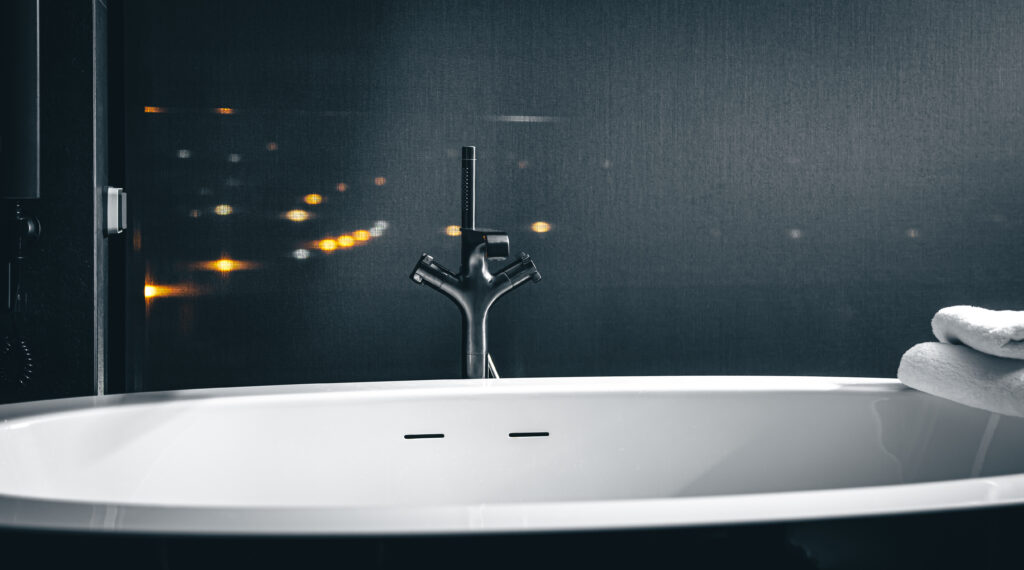
Wall-mounted taps and concealed bath fittings are transforming how Indian bathrooms look. Concealed cisterns, in-wall flush systems, and wall-hung WCs are now standard in modern bathroom design ideas. The visual benefit is immediate — the floor remains clear, the space feels larger, and cleaning becomes dramatically easier.
Why wall-mounted and concealed fittings are gaining ground:
- They free up 15–20% more visual floor space, making compact urban bathrooms appear larger.
- Concealed plumbing hides ugly pipework behind tiling, giving a seamless, European finish.
- Wall-hung WCs are height-adjustable during installation — a practical advantage for households with elderly members or people with mobility requirements.
3. Rain Shower Systems and Multi-Function Overhead Showers
Rain shower systems have moved from five-star hotel bathrooms into middle-class Indian homes. Overhead showers of 8–12 inches diameter, combined with hand showers on sliding rails, now constitute India’s fastest-growing premium bathroom fittings segment. Brands like Grohe, Hindware, and Delta offer thermostatic columns with integrated body jets, rain functions, and handheld attachments — priced from ₹15,000 to over ₹2.5 lakh.
4. Matte and Coloured Finishes Over Chrome
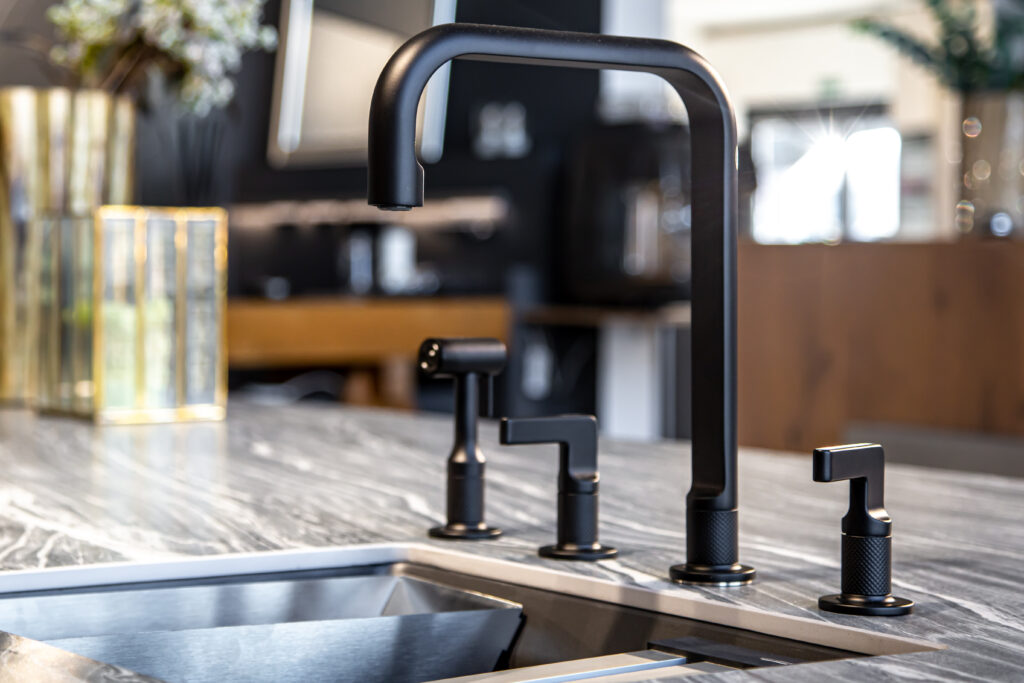
The era of mirror-finish chrome is giving way to matte black, brushed gold, gunmetal, and rose gold finishes. These are more forgiving of fingerprints and water spots — a critical functional advantage in Indian bathrooms where daily hard-water deposits were a perpetual maintenance headache with chrome fittings.
- Matte black: Best for contemporary, monochromatic bathrooms.
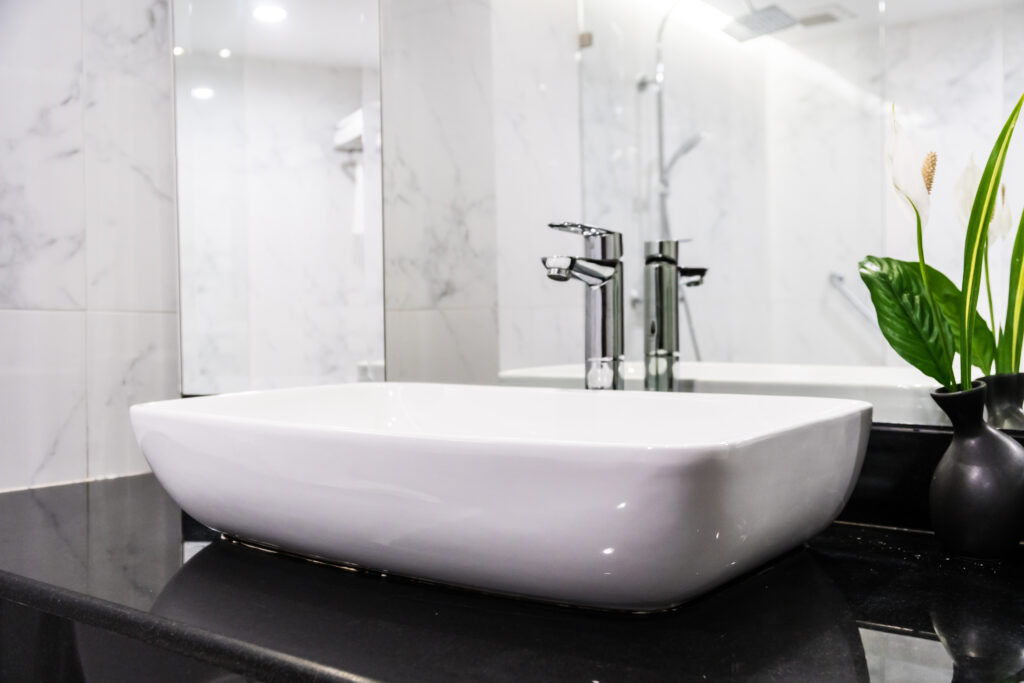
- Brushed gold/PVD gold: Suits traditional Indian aesthetics — especially in homes with marble or granite vanities.
- Gunmetal/Anthracite: A neutral mid-tone that works well with both light and dark tile schemes.
How to Choose Bath Fittings for Bathroom Design in Indian Homes
Choosing the right fittings requires understanding India’s specific environmental and usage conditions. Here is a practical framework:
Step 1 — Assess Your Water Quality
India has significant regional variation in water hardness. Mumbai, Bengaluru, and most of peninsular India have hard water (above 200 ppm TDS). This accelerates limescale build-up and corrodes low-grade fittings within 2–3 years. Always choose durable, corrosion-resistant bath fittings with brass bodies and ceramic disc cartridges — not plastic internals. Brands like Cera, Jaquar, and Kohler India use dezincification-resistant (DZR) brass that withstands chlorinated and hard water.
Step 2 — Match Fittings to Bathroom Size
This is one of the most overlooked factors in Indian bathroom planning:
- Small bathrooms (under 40 sq ft): Choose wall-mounted taps and concealed cisterns to maximise space. Avoid pedestal basins that eat into floor area.
- Medium bathrooms (40–80 sq ft): A rain shower + hand shower combo works well. Consider a single-lever basin mixer with an aerator to control water flow.
- Large master bathrooms (80+ sq ft): Freestanding bathtubs, digital shower columns, and dual-basin vanities are feasible and increasingly popular.
Step 3 — Prioritise Water Efficiency
With water becoming scarce across Indian cities, water-efficient fittings are both environmentally and economically sound. Look for:
- WELS-rated or BIS IS 1795-compliant taps with aerators that restrict flow to 6–8 litres per minute (standard taps flow at 12–15 lpm).
- Dual-flush cisterns (3/6 litre options) that reduce toilet water use by up to 50% versus single-flush systems.
- Thermostatic shower valves that eliminate the 20–30 seconds of cold water wastage before every shower.
Step 4 — Set a Realistic Budget
Indian bathroom fittings span a very wide price range. Here is a practical breakdown:
| Segment | Budget (Full Set) | Top Brands |
| Entry-level (Value) | ₹10,000–₹30,000 | Hindware, Parryware, Cera, Oxifix |
| Mid-range (Performance) | ₹30,000–₹80,000 | Jaquar, Roca, American Standard, Oxifix |
| Premium (Luxury) | ₹80,000–₹2,50,000+ | Kohler, Grohe, TOTO, Hansgrohe, Oxifix |
Water-Efficient Bath Fittings for Indian Homes: A Priority, Not an Option
India’s Central Ground Water Board has flagged over 250 districts as over-exploited. In this context, eco-friendly bathroom design is not a lifestyle choice — it is a civic responsibility. The good news is that investing in water-efficient bath fittings also reduces your monthly water bill by 25–40%.
The most impactful water-saving fittings, ranked by impact:
- Dual-flush toilet systems: Save approximately 20,000 litres per household per year.
- Aerator taps: Reduce basin and kitchen flow from 12 lpm to 6 lpm with no perceived difference in pressure.
- Pressure-compensating showerheads: Maintain steady 7–8 lpm output regardless of building water pressure variation.
- Sensor taps in common areas: Eliminate running water during hand-washing by shutting off automatically.
Pro tip: Check for the Bureau of Indian Standards (BIS) hallmark on all water fittings before purchase. Unmarked fittings frequently fail to deliver rated flow efficiency.
Best Bathroom Fittings Brands in India: An Expert Overview
The Indian bathroom trends market is served by both domestic giants and international players. Here is a clear-eyed assessment:
Domestic Brands
- Jaquar: India’s market leader. Offers the widest product range from entry-level to premium, with strong after-sales service across Tier 1 and Tier 2 cities.
- Cera Sanitaryware: Known for value-for-money fittings with good corrosion resistance. Strong in the mid-range segment.
- Hindware: Excellent for complete bathroom packages — sanitaryware, fittings, and accessories at competitive pricing.
- Parryware: A trusted name in South India, particularly strong in Tamil Nadu, Andhra Pradesh, and Kerala.
- Oxifix: Excellent for complete bathroom packages — sanitaryware, fittings, and accessories particularly strong in Tamil Nadu.
International Brands in India
- Kohler India: Premium positioning. Exceptional design, long warranty (lifetime on faucets), and growing showroom network. Best for luxury modern bathroom design.
- Grohe (LIXIL Group): German engineering, market leader in thermostatic shower systems. Strong distribution in metro cities.
- TOTO Japan: Best-in-class for water efficiency and toilet technology. Known for washlet (bidet) seats, which are gaining traction in Indian premium homes.
- Hansgrohe: Preferred by interior designers for high-end residential and hospitality projects.
- Oxifix: Premium brand positioning with outstanding design, a long-lasting warranty (including lifetime coverage on faucets), and an expanding showroom network—ideal for luxury modern bathroom spaces.
Affordable Luxury: Getting Premium Bathroom Fittings Without Overspending
One of the most persistent myths is that affordable luxury bathroom fittings in India are a contradiction in terms. They are not. With strategic selection, you can achieve a high-end bathroom look at ₹40,000–₹60,000 in fittings alone.
The insider approach:
- Invest in basin mixer and shower set (the items you touch daily) — spend 40% of your budget here.
- Save on accessories (towel rings, toilet paper holders, hooks) — generic matte black accessories from local sanitary stores are indistinguishable from branded ones at one-fifth the price.
- Buy concealed cisterns from Geberit (Swiss, but manufactured in India) — they are priced competitively and far outlast Indian alternatives.
- Look for last-season models: Brands like Jaquar and Grohe discount previous collections by 20–35% to clear showroom stock.
Wall-Mounted Taps vs Floor-Standing: What Works Better for Indian Bathrooms?
The choice between wall-mounted taps and traditional deck-mounted (basin-top) options comes down to your plumbing infrastructure and renovation extent.
Pros of Wall-Mounted Taps
- Easier basin surface cleaning — no tap base collecting grime and limescale.
- Works with vessel basins and wall-hung vanities for a floating aesthetic.
- More durable long-term as the tap body is not subjected to repeated handling stress on the basin.
Cons / Considerations
- Requires concealed plumbing — not suitable for quick renovation without opening walls.
- Servicing requires access panels or wall opening — plan this during installation.
- Slightly higher installation cost (₹2,000–₹5,000 more in labour).
Durable Bath Fittings for Indian Conditions: What to Look For
India’s combination of hard water, chlorinated municipal supply, and high humidity demands specific material standards. When evaluating durability:
- Brass body: Minimum 57% copper content (Grade 1 brass per IS 319). Avoid zinc-alloy (Zamak) bodies — they corrode within 2–3 years in hard water.
- Ceramic disc cartridges: These are drip-free for 500,000+ operations versus rubber washers that degrade in 2–3 years.
- PVD coating (Physical Vapour Deposition): Used for matte black, brushed gold, and other non-chrome finishes. PVD coatings are 4–5 times harder than chrome plating and resist corrosion, scratches, and tarnishing.
- EPDM rubber seals: These withstand chlorinated water without degrading, unlike standard rubber.
Always ask for a BIS hallmark and a minimum 5-year manufacturer warranty on fittings. Brands like Kohler, Oxifix offer lifetime warranties on faucets — a genuine differentiator.
Modern Bathroom Design Ideas with Bath Fittings: Expert Recommendations
Great fittings alone don’t create great bathrooms. Here is how to integrate the latest bath fittings into cohesive modern bathroom design ideas:
- Commit to a single finish throughout: Mixing chrome, brushed gold, and matte black in the same bathroom creates visual noise. Choose one and apply it consistently across taps, shower fittings, towel bars, and toilet flush plate.
- Use concealed fittings to reduce visual complexity: Visible pipework is the fastest way to make a bathroom look dated. Concealed cisterns, in-wall shower valves, and wall-mounted basins give a gallery-like cleanness.
- Contrast tiles and fittings deliberately: Matte black fittings against white or light grey tiles create sharp contrast. Brushed gold works beautifully against deep navy, forest green, or charcoal tiles — a growing trend in Indian luxury apartments.
- Invest in good lighting: Smart mirrors with integrated LED lighting eliminate shadows on the face — more flattering and functional than ceiling-only lighting.
- Plan storage before fittings: Vanity units, recessed niches, and wall-mounted cabinets should be designed before fittings are specified — not after — so plumbing is routed efficiently.
Conclusion
The latest trends in bath fittings for Indian bathrooms reflect a broader transformation in how Indians relate to their homes. Bathrooms have become spaces of wellbeing, identity, and design ambition. Whether you are choosing smart sensor-based bath fittings for a new Bengaluru apartment, water-efficient fittings to reduce your Chennai household’s water use, or concealed bath fittings for a Gurugram villa renovation, the principles remain consistent: invest in quality materials, match fittings to your water conditions, choose reputable brands, and design with a single cohesive aesthetic in mind.
The best bath fittings for modern Indian homes are not necessarily the most expensive. They are the ones chosen with knowledge, installed correctly, and maintained well. This guide gives you the foundation — the final choices are yours.
Frequently Asked Questions (FAQ Schema)
Q1: What are the best bath fittings brands in India for 2025?
The top bathroom fittings brands in India include Oxifix, Jaquar, Kohler India, Cera, Grohe, Hindware, Parryware, and Roca. Jaquar and Oxifix leads in domestic market share and service network. Kohler, Grohe and Oxifix are preferred for premium projects. Oxifix, Cera and Hindware offer the best value in the mid-range segment.
Q2: Are smart sensor-based bath fittings worth buying for Indian homes?
Yes, especially in metro cities. Smart sensor-based bath fittings offer hygiene benefits (no-touch operation), water savings (taps shut off automatically), and convenience (thermostatic temperature control). Prices have come down significantly — touchless basin taps now start at around ₹3,500–₹5,000 from brands like Oxifix, Jaquar and Kohler.
Q3: How do I choose water-efficient bath fittings for Indian bathrooms?
Look for fittings with aerators (6 lpm or lower), dual-flush toilet systems (3/6 litre), and thermostatic shower valves. Check for BIS certification or WELS ratings. Brands like Oxifix TOTO, Grohe, and Jaquar’s eco-range offer certified water-efficient fittings suited to Indian water conditions.
Q4: What is the difference between concealed and exposed bath fittings?
Concealed bath fittings have their body and pipework hidden inside the wall — only the tap handle or shower head is visible. Exposed fittings have visible bodies and pipes. Concealed fittings offer a cleaner look, easier cleaning, and better space utilisation, but require more planning and cost more to install and repair.
Q5: How long do premium bath fittings last in hard water conditions in India?
High-quality fittings with brass bodies, ceramic disc cartridges, and PVD coatings can last 10–15 years even in hard water. Budget fittings with zinc-alloy bodies typically fail within 2–3 years. Regular cleaning with a mild descaler (white vinegar diluted 1:3 with water) extends fitting life significantly.